
Frozen Gutters and Overflow: Protecting Your Home Through a UK Winter
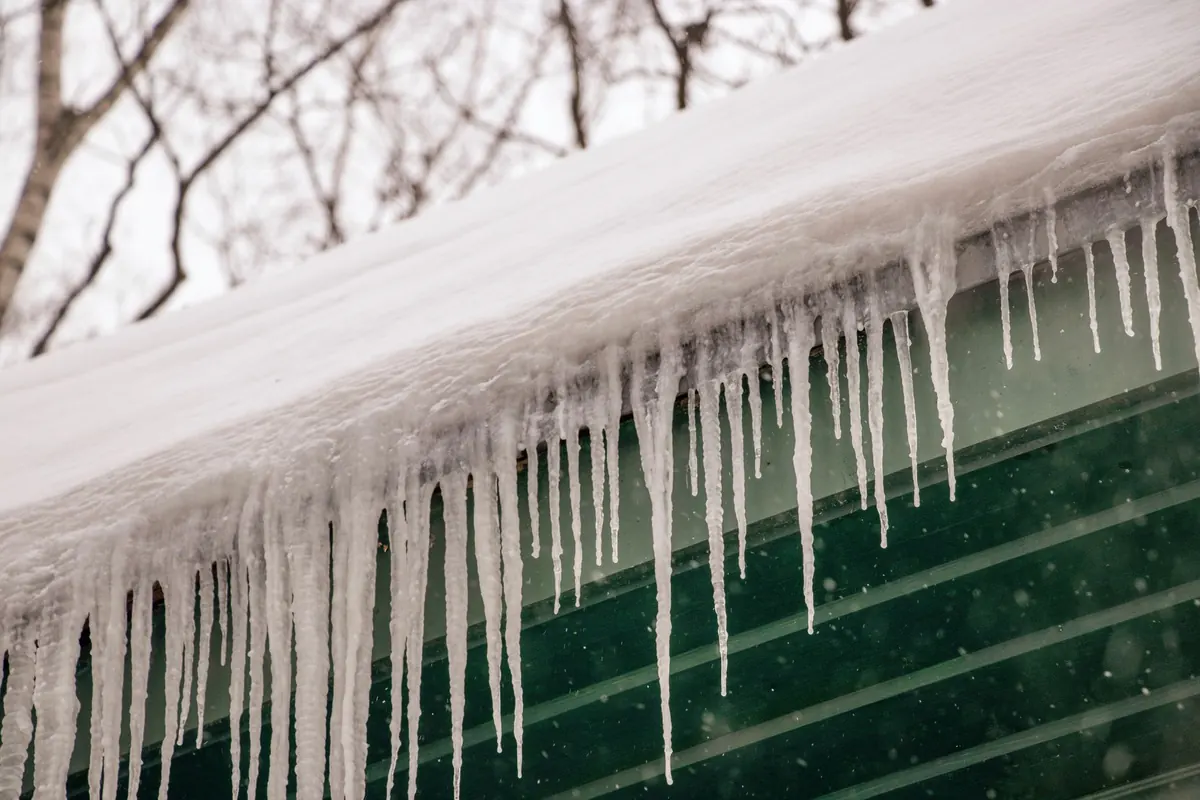
Most of us ignore the gutters until something goes wrong. Then, one January morning, there is a brown stain spreading across the bedroom ceiling and a line of water running down the brickwork outside. By that point the damage has already started. The good news is that frozen gutters and the overflow they cause are largely preventable, and the work takes an afternoon rather than a week. Here is what happens up there in the cold, and what to do about it before winter settles in.
What actually happens when gutters freeze
Water sitting in a gutter will freeze on the first properly cold night. As it freezes it expands, and that expansion is remarkably strong. It can push joints apart, lift the edge of a felt or membrane roof covering, and force water back under the bottom row of tiles. A gutter that is already sagging or half full of leaves will hold more water, so it freezes into a bigger, heavier block of ice.
Once the gutter is blocked with ice, any meltwater from the roof has nowhere to go. It sits behind the ice, creeps sideways, and eventually finds a way into the building. This is the point at which a small drainage problem becomes an expensive repair.
How snow melt turns into an ice dam
The classic winter failure is the ice dam. It usually forms after a snowfall is followed by a mild day. Heat escaping through the roof warms the upper part of the roof covering, melting snow from underneath. That meltwater runs down towards the colder eaves, where the gutter is frozen solid. It refreezes at the edge, building a ridge of ice that grows with every thaw.
Water then pools behind the ridge and backs up under the tiles, the slates or the flat roof edge. From there it can travel along rafters and drip onto insulation, plasterboard and ceiling joists. Poor loft insulation and ventilation make this worse, because more heat escapes and more snow melts from the wrong side.
Why older properties suffer more
Houses with cast iron gutters, deep eaves and little loft insulation tend to be hit hardest. Cast iron is strong but brittle in the cold, and old joints and brackets are often already weak. If yours has been repaired several times, it may be worth having it looked at properly rather than patched again in the spring.
The damage to look for
Overflow rarely announces itself loudly. It creeps. Watch for these signs, inside and out:
- Green or black streaks down the fascia board, usually just below the gutter line.
- Flaking or bubbling paint on fascias and soffits, which often means timber underneath is damp.
- Damp patches on upstairs ceilings, especially near the eaves, or on the inside face of an external wall.
- Soft or crumbly timber where you can reach the fascia, and any hint of a musty smell in the loft.
- Lifted or displaced tiles along the bottom course, and staining on the brickwork below the roofline.
- Water pooling against the base of the wall, or a visibly sagging gutter that holds standing water.
If you find damp inside the house, particularly around electrics, treat it as urgent and get a qualified tradesperson in rather than investigating it yourself.
Clear the gutters before the first hard frost
The best protection is boring and effective: get the gutters clear while the weather is still mild and daylight lasts past four o'clock. Aim to do this in late October or early November, before the last of the leaves come down and before the first sustained cold spell.
- Clear the debris. Scoop out leaves, moss and grit by hand or with a gutter scoop, working along the run rather than in one spot. Wear gloves; old gutters have sharp edges.
- Flush the downpipes. Run a hosepipe along the gutter and check that water disappears quickly at every outlet. If it backs up, the downpipe is blocked and needs clearing or rodding.
- Check the fall. Gutters should slope gently towards the outlet. If water sits in a level stretch, the brackets may need adjusting so it drains properly.
- Test the joints. Look for staining or drips at joints and reseal where needed with a suitable gutter sealant once the surfaces are dry.
- Fix the fixings. Replace any loose brackets. A gutter that pulls away under the weight of ice will spill water directly down the wall.
- Consider guards. Gutter guards or mesh can reduce leaf build-up, though they still need occasional clearing and are not a substitute for annual maintenance.
- Check the fascia and soffit. Rotten timber should be repaired or replaced before winter, not after, because water will find every gap.
- Prune back trees. Cut back overhanging branches where you safely can, so they stop dropping debris into the run.
- Insulate and ventilate the loft. Good insulation at ceiling level and clear ventilation at the eaves reduce heat escape and lower the risk of ice dams forming.
During cold spells and thaws
Once the temperature drops, leave the gutters alone. Do not chip at ice with a hammer, a chisel or a spade. Gutters and downpipes become brittle in the cold and crack easily, and you risk damaging the roof edge as well. If snow is deep on the roof, use a roof rake from ground level if you have one, and never climb onto a snowy or icy roof.
Avoid putting rock salt or de-icing products onto the roof or into gutters. They can corrode metal fixings and damage plants below. When a thaw comes, walk round the outside of the house and check for drips, stains and any new sagging. Catching a problem during a mild spell is far easier than in the middle of a freeze.
If ice has already forced joints apart or pulled the gutter away from the fascia, it is usually a job for a professional. Working at height in winter is genuinely risky, and a proper repair will outlast several improvised ones.
A short winter checklist worth keeping
Gutters are one of those parts of a home that quietly protect everything else. Spending a couple of hours on them in autumn can save you a much larger bill in January. Keep it simple:
- Clear leaves and debris before the first frost, and again after the last of them falls.
- Flush the downpipes and confirm water drains away freely.
- Reseal joints, tighten brackets and check fascias for rot.
- Improve loft insulation and ventilation to reduce ice dams.
- During cold spells, leave ice alone and never work on a frozen roof.
- After every thaw and storm, look for new drips, stains and sagging.
If you are unsure about anything ladder-related, or if your gutters are cast iron, high up, or already showing signs of damp inside the house, bring in a qualified roofer or gutter specialist. It is one of those jobs where a professional opinion early on is far cheaper than repairs later. A little attention now keeps water where it belongs: in the gutter, heading for the drain, and well away from your walls.
Photo: Olga Shiryaeva / Pexels