
Double Glazing Energy Ratings Explained: A Beginner's Guide to A–G Labels
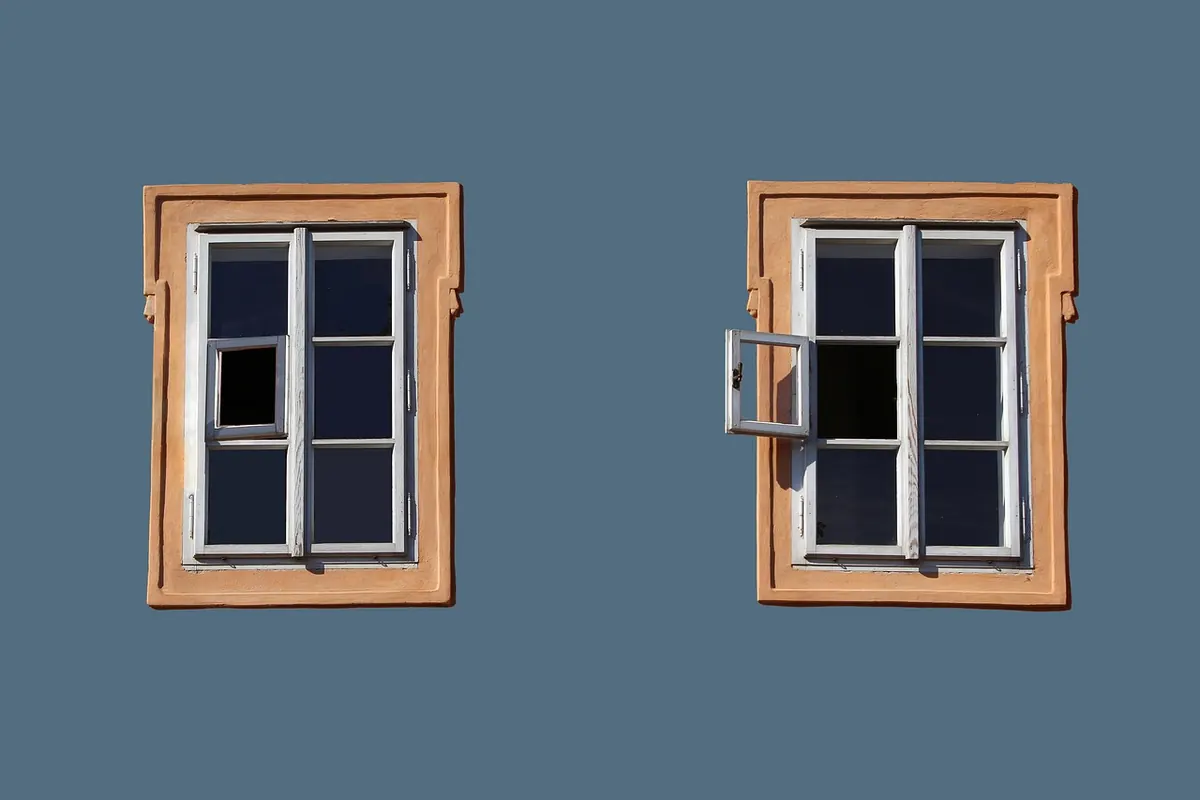
A window energy label looks like something borrowed from the fridge aisle: letters, arrows, a few numbers. The resemblance stops there. Fridge labels tell you how much electricity an appliance uses; window labels try to describe how a whole assembly of glass, frame and seals behaves in British weather. Get the basics straight and you can compare quotes with confidence instead of nodding along politely.
What the energy label is actually measuring
In the UK, window energy ratings are issued through the British Fenestration Rating Council (BFRC) scheme, which is why the familiar A–G banding appears on windows much as it does on boilers and appliances. A rating is not one measurement. It is a calculation that pulls three different things together.
- U-value — how quickly heat escapes through the glass, frame and seals. Lower is better.
- g-value (solar gain) — how much of the sun's warmth passes through into the room. Higher means more free heat.
- Air leakage — how much draught squeezes past the window when it is closed. Lower is better.
That combination matters, because a window that keeps heat in but blocks all sunlight is not automatically a bargain. A large south-facing window with a reasonable g-value collects warmth through the day and takes pressure off the heating. The same window on a north wall gains almost nothing from that number, so the U-value and air leakage do more of the work.
U-values without the maths degree
A U-value is measured in watts per square metre per degree of temperature difference. You do not need the formula. Two things are worth remembering: lower is better, and small differences near the bottom of the scale matter more than they look.
For context, an old single-glazed pane sits at roughly 5 W/m²K or worse. A typical modern double-glazed unit lands somewhere in the region of 1.2 to 1.6, and a well-made triple-glazed unit can drop below 1. Those are broad figures, and the exact number depends on the whole window rather than the glass alone.
That last point trips people up constantly. A superb sealed unit in a thin frame with a cold metal spacer bar will pull the overall figure towards the poorer end. So will a sloppy installation, because gaps around a frame leak more heat than most homeowners expect. When a supplier quotes a U-value, ask whether it covers the entire window or just the centre of the glass. The whole-window figure is the honest one.
How the A–G scale is worked out
The band on the label is the result of the calculations above, run through a standard method. That is what makes the scheme useful: a window from one manufacturer can be compared with another's on roughly equal terms, rather than on whoever has the glossier brochure. The scale runs from G at the bottom to A at the top, with A+, A++ and A+++ sitting above A on many products. An A-rated window is not a perfect window. It is simply at the efficient end of a scale that was designed to keep improving.
What tends to push a window up the scale
- Low-emissivity coatings that reflect heat back into the room rather than letting it radiate out
- Inert gas such as argon or krypton filling the cavity instead of air
- A wider gap between the panes, up to the point where the gas starts to circulate and loses its benefit
- Warm-edge spacer bars in place of older aluminium ones, which act as a small cold bridge
- Frames with genuine insulation of their own, such as multi-chambered uPVC or thermally broken aluminium
A-rated double glazing versus triple glazing
This is where plenty of buyers get caught out. "A-rated" and "triple glazed" describe different things. A-rated is a performance band for the whole window. Triple glazing is a construction method: three panes instead of two. A really well-specified double-glazed window can comfortably outscore a mediocre triple-glazed one, particularly if the triple unit is paired with a basic frame and spacer.
Triple glazing earns its keep in specific situations. Rooms that are always cold. Houses on exposed sites where wind drives at the glass. Bedrooms near a busy road, where the extra pane and the wider cavity help with noise as well as heat. Windows where you want the inner surface to stay warmer, which reduces the chance of condensation forming on cold mornings.
It also has costs. Thicker frames, heavier sashes, more strain on hinges over time, narrower sightlines on some designs, and a higher price per window. On a sunny south-facing elevation, that third pane blocks some of the solar gain you would otherwise be getting free. For most UK homes, a properly specified A-rated double-glazed window is the sensible default, and triple glazing is a considered upgrade rather than an automatic one.
Does a higher rating pay for itself?
Replacing old single glazing, or a failed double-glazed unit that has misted up between the panes, changes how a room feels. That comfort is often the strongest argument, and it is a perfectly good one. Moving from A-rated double glazing to A+++ triple glazing is a much smaller step, and the energy bill saving alone may take a long while to repay the difference in price. Treat any confidently quoted payback period with suspicion.
Weigh the whole picture instead: warmth near the glass, noise, condensation on the inner pane, how the windows look from inside and out, and whether the frames suit the age of the house. One practical consequence of tighter windows is less background ventilation, so think about how rooms will be aired. Trickle vents in the frames, or a routine of opening windows, help keep moisture in check. If you already have persistent damp or mould, that is a job for a qualified surveyor rather than a window salesperson.
What to ask before you sign anything
- Can I see the energy rating certificate for the exact product you are quoting, not a brochure for a different window in the range?
- Is that U-value for the whole window, frame included, or just the centre of the glass?
- Which spacer bar and which cavity gas are you using, and does that match the certificate?
- How will the installation meet Building Regulations, and who certifies it? In England and Wales, replacement windows normally need to comply, usually through a Competent Person Scheme or via building control.
- What is the guarantee on the sealed unit, and separately on the installation? Are they the same length?
- If the property is older, listed or in a conservation area, has the design been checked with the local planning authority?
Rules differ across the UK and change over time, so confirm the current position with your local authority or a qualified installer before ordering. Then use the label for what it is: a like-for-like comparison tool for performance, not a verdict on the right window for your house. Decide what you actually want from the window — warmth, quiet, less condensation, a particular look — and let the rating help you choose between the options that already fit.
Photo: moshehar / Pixabay