
Roof Tiles vs Slate: Which Covering Lasts Longer in a Wet UK Climate?
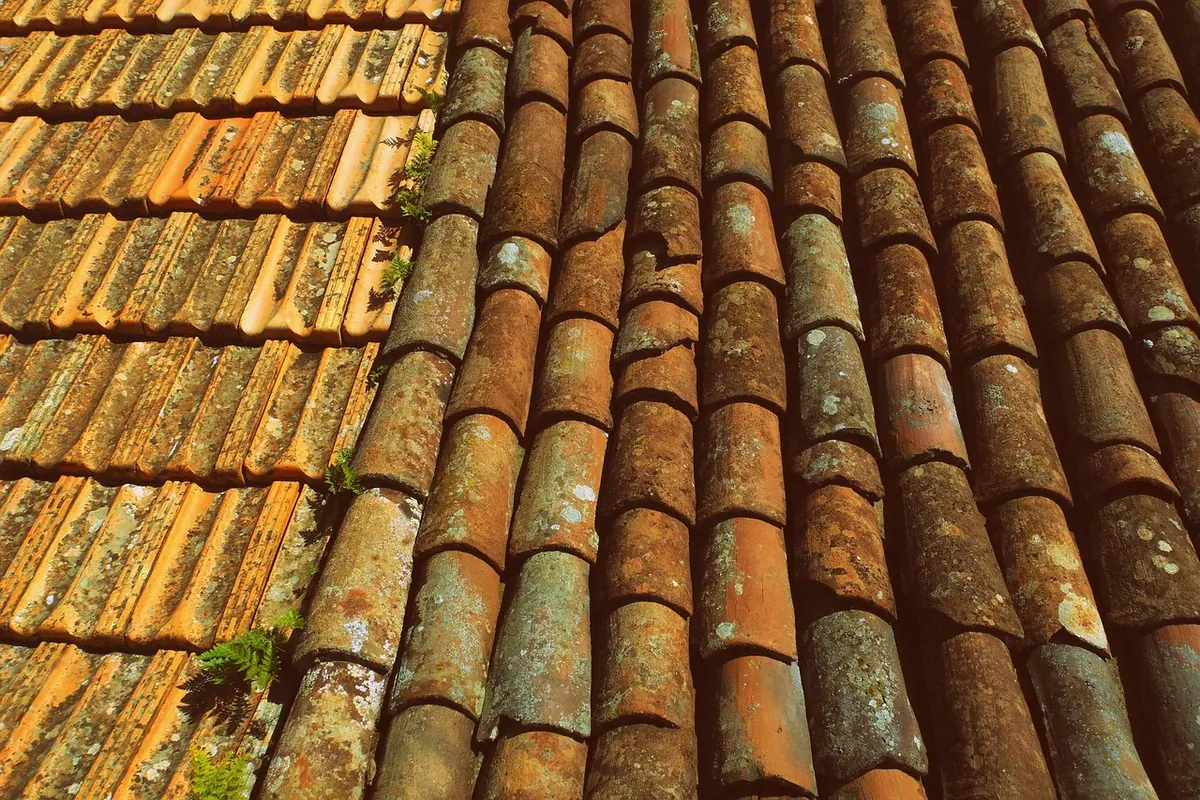
Roofs in Britain have a hard life. Rain arrives sideways on a westerly, frost works into hairline cracks, and moss holds water against the surface long after the shower has passed. Concrete tile, clay tile and natural slate will all cope with that climate. They just cope differently, and they wear out in different ways. What you choose decides how much weight your rafters carry, how often you end up on a ladder, and what the roof looks like in thirty years' time.
What really decides how long a covering lasts
The material matters, but it is rarely the thing that fails first. Exposure is the big one: a roof on an upland or coastal site takes far more punishment than the same covering in a sheltered town garden. After that comes detailing — pitch, headlap, underlay, fixings, ventilation, and the way ridges, hips and verges are finished.
A 1930s Welsh slate roof is often still watertight while the nails holding it have rusted through. The slates are fine; the fixings are not. Moss and lichen shorten the life of any textured surface by keeping it damp, and blocked gutters or cracked flashings do more damage than the choice between tile and slate ever will.
Concrete tiles
Concrete interlocking tiles are the default for new-build and re-roofs for good reason. They are the cheapest of the three per square metre, quick to lay, and the range of profiles runs from designs that work at very low pitches to smooth ones that mimic slate. Manufacturers commonly offer long guarantees, and a well-installed concrete roof should give around 50 years or more.
Frost resistance is generally good, though the surface can chalk and fade over decades and textured profiles collect moss. Weight is the catch. A concrete roof is heavy, often in the region of 45–55 kg/m², and old rafters built for slate may not carry it. Have the structure checked before you swap one for the other.
Clay tiles
Clay is fired, and that matters. The colour runs through the tile rather than sitting on the surface, so it does not fade in the same way, and properly fired clay has low water absorption, which makes it highly frost-resistant.
Small plain tiles — the classic double-lapped pattern — typically last 60 to 100 years, often more. But they need a steep pitch, usually 35° and above, and they are heavy once you allow for mortar bedding and the sheer quantity needed to cover a roof. Larger interlocking clay tiles sit somewhere between plain clay and concrete: lighter, usable at lower pitches, and longer-lived than most people expect. Clay is brittle, so it breaks underfoot. Keep a stack of spares and expect careful working on any roof access.
Natural slate
Slate is stone split into sheets, and its lifespan depends enormously on where it came from and how thick it is. Good Welsh slate has routinely served 80 to 150 years, while some cheap, thin imports have failed in a fraction of that. Ask about source and thickness before you commit, and insist on copper or stainless steel fixings — galvanised nails have a much shorter life, especially near the coast.
Slate is comparatively light, often 25–35 kg/m², which makes it attractive when the existing structure was built for it. It is smooth, so it sheds moss better than a textured tile, and it looks better as it ages. It is also the most expensive option per square metre, needs skilled labour, and produces more breakages and waste on site.
Lifespan, weight and cost at a glance
- Lifespan: natural slate longest, though this depends heavily on quality; plain clay next; concrete tile shortest, but still a 50-year proposition.
- Weight: concrete and plain clay are the heaviest, slate the lightest, so slate is often the easiest like-for-like replacement.
- Cost per square metre: concrete cheapest, clay in the middle, slate highest for both material and labour. Scaffolding, battens, underlay and fixings frequently outweigh the tile bill, so ask for a fully itemised quote.
- Pitch: concrete interlocking tiles handle shallow roofs; clay plain tiles and slate need steeper pitches or increased headlap.
- Appearance: slate and clay suit period properties; concrete offers the widest choice but looks more uniform.
Driving rain and frost: where each one wins
Driving rain
Wind-driven rain gets in through joints, not through the material. What keeps it out is headlap, pitch and a decent underlay. Double-lap coverings — slate and plain tile — shed water well when the headlap suits the exposure, while interlocking tiles rely on fewer joints and channel profiles, which also works.
On an exposed site, ask for increased headlap as standard, a high-performance breathable underlay as a second line of defence, and dry-fix ridge, hip and verge systems rather than mortar, which driving rain and frost gradually crumble away.
Frost and freeze-thaw
Frost does not break good slate or well-fired clay. It exploits water absorption and existing damage, which is why cheap high-absorption slates can delaminate and porous concrete surfaces can spall. Moss makes all three worse by holding moisture against the roof, so clearing it gently is worth the effort — never with a pressure washer, which strips the surface and shortens its life.
Watch the mortar around ridges and flashings too. Repeated freeze-thaw
Photo: jenefert / Pixabay